
Showing all 41 results
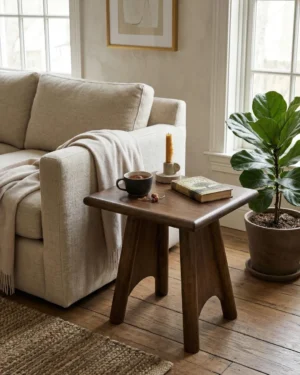
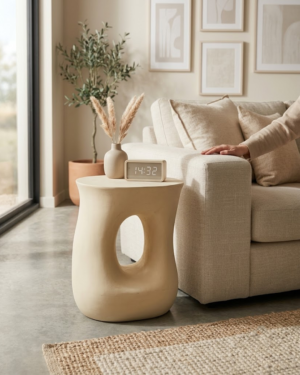
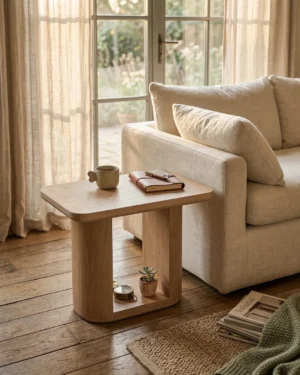
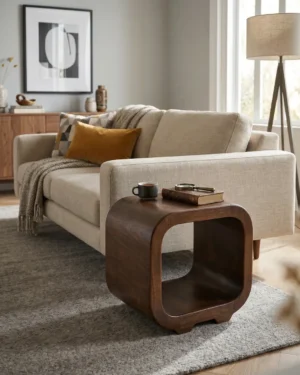
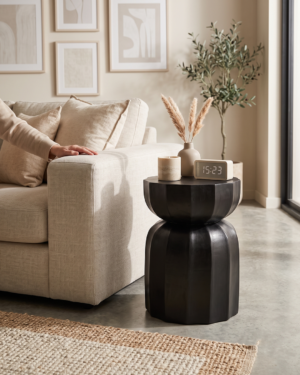
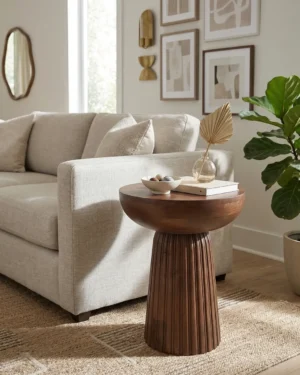
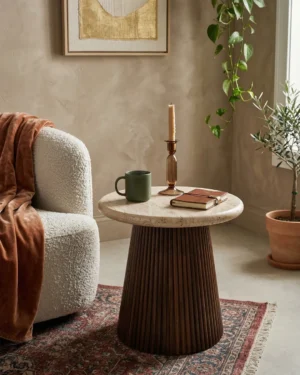
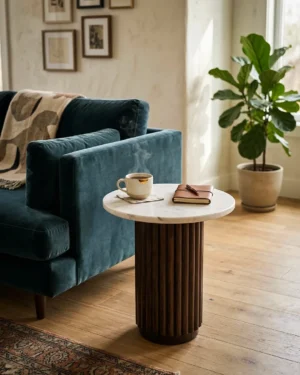
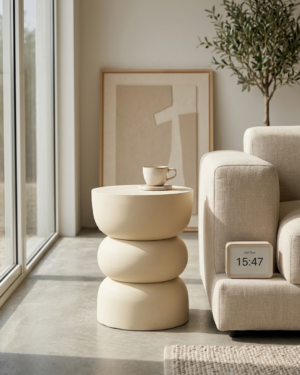
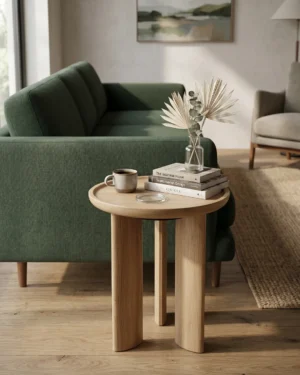
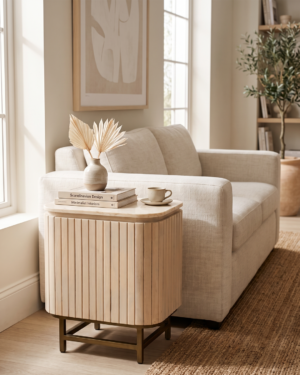
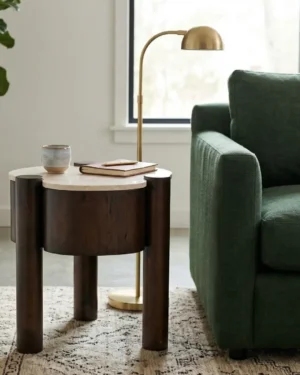
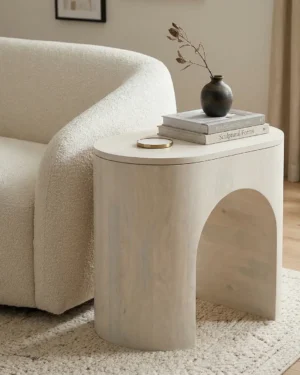
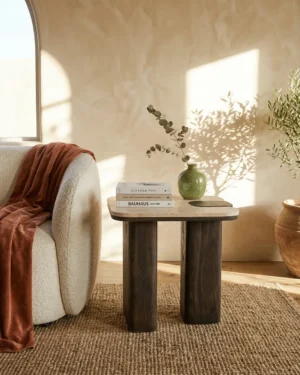
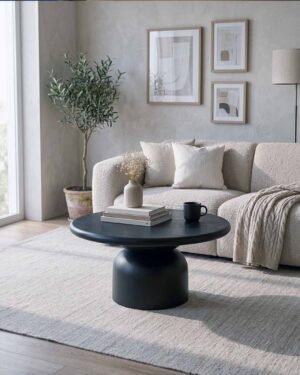
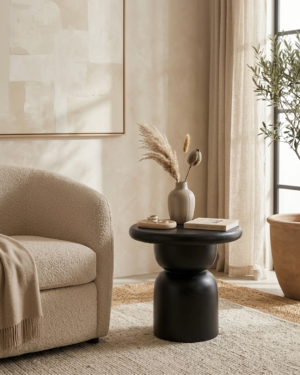
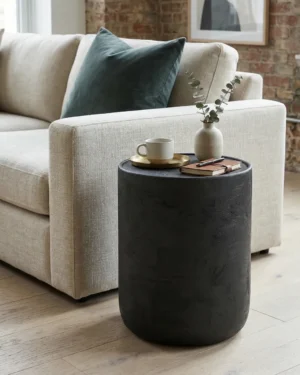
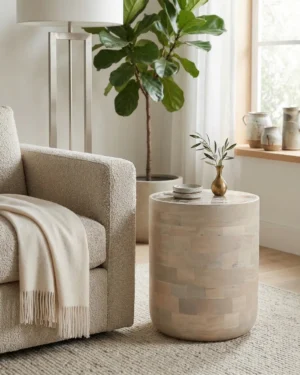
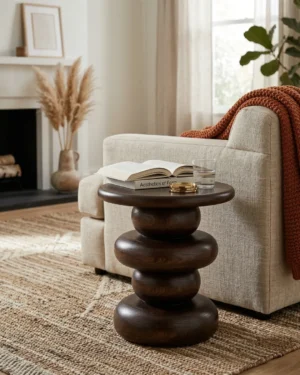
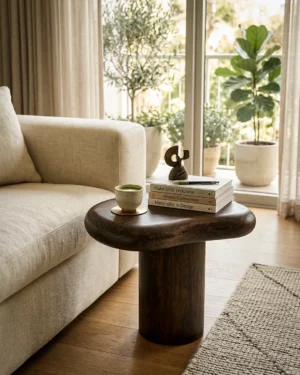
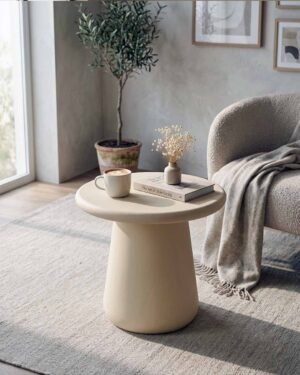
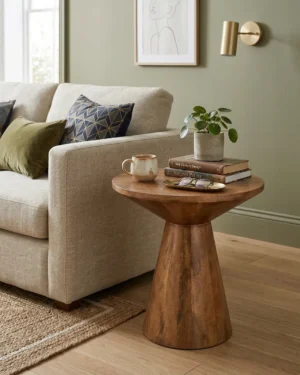
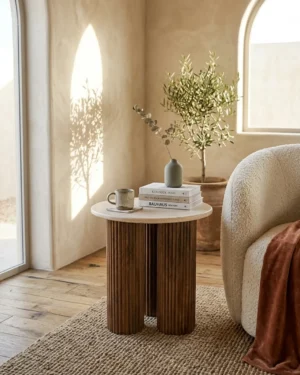
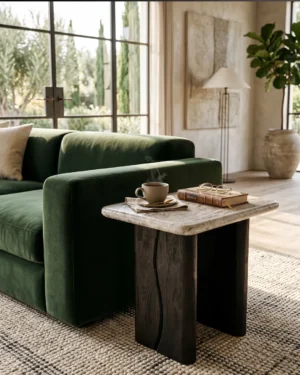
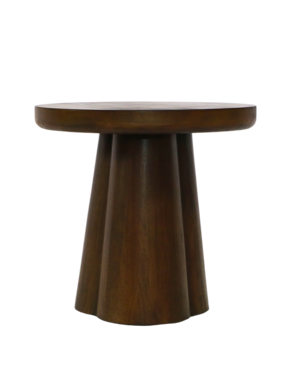
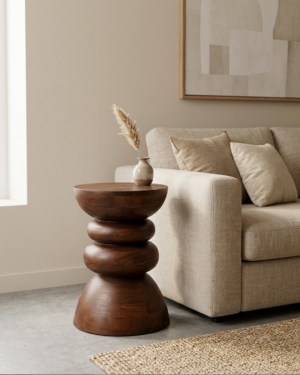
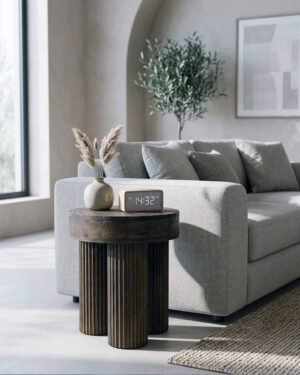
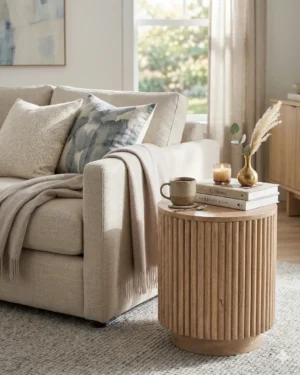
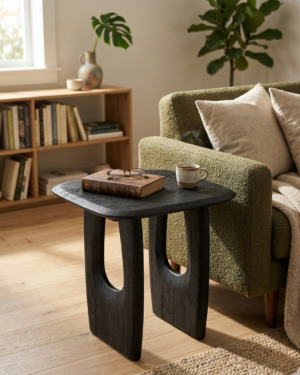
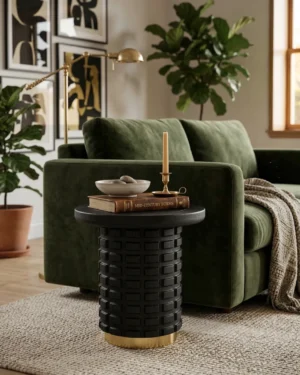
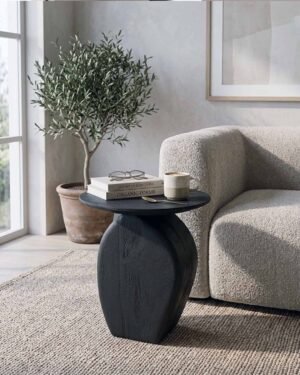
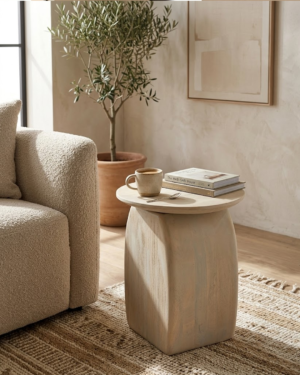
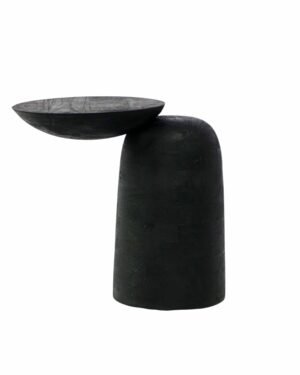
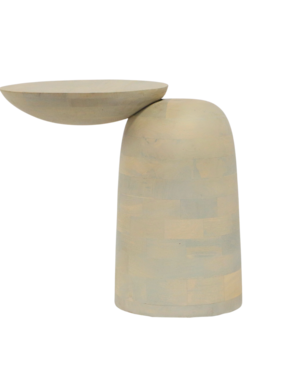
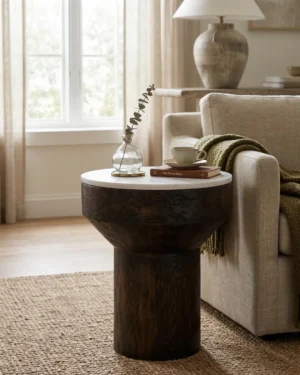
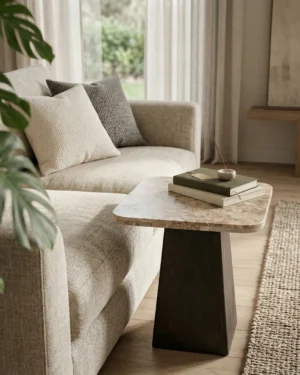
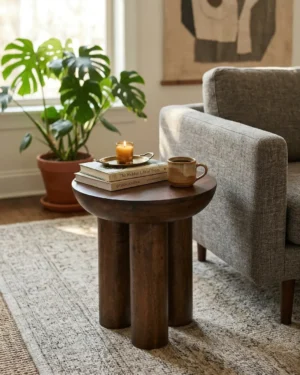
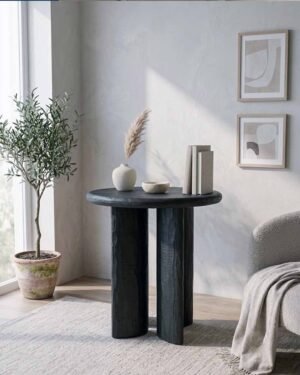
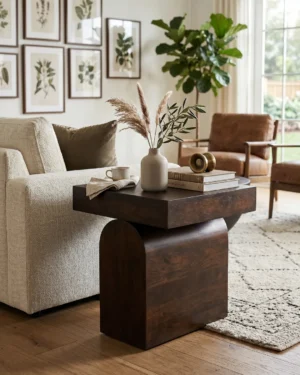
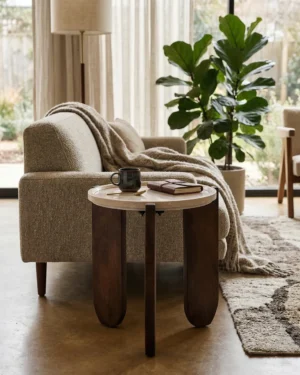
A side table is easy to overlook when you're planning a room, but this small piece of furniture often does a lot of quiet work. It gives you somewhere to set down a cup or book, fills the gap beside a sofa or armchair, and creates another opportunity to introduce shape, texture, or material into the space.
At ELVM Homes, the collection brings together side tables and end tables suited to contemporary living rooms, drawing rooms, and carefully composed corners. Whether you're furnishing a generous open-plan lounge or looking for something compact beside a favorite chair, you can explore modern end tables, small end tables, corner tables, and material-led designs created to work naturally with other living room furniture without unnecessary visual clutter.
Large furniture usually establishes the structure of a room. The sofa defines the main seating area, while smaller pieces help complete it.A side table for the living room adds a convenient surface within easy reach, giving you somewhere for a drink, book, lamp, phone, or decorative object. Beyond function, it also helps create a visual transition between the sofa and the rest of the room.
End tables for living room settings are especially useful when you want to introduce another height, shape, or material beside upholstered furniture.
For example, a wooden sofa paired with natural fabric may benefit from the contrast of stone nearby, while a room with marble surfaces can feel warmer with the addition of mango wood.
Rather than treating occasional furniture as a perfectly matching set, consider how separate pieces can still relate through a repeated color, curve, texture, or finish.
Done well, the room feels collected and balanced rather than overly coordinated.
Where the table will be placed should influence the design you choose.
Sofa end tables are usually positioned close to the sofa arm so that the surface can be reached comfortably from a seated position. A larger sofa can carry a table with more visual weight, while compact seating often works better with a slimmer silhouette.
Next to an individual lounge chair, a side table can turn an otherwise unused spot into a comfortable reading or relaxation corner. Add a lamp, a book, and one or two decorative objects, and the area immediately gains a clearer purpose.
If you're placing a coffee table and side table in the same room, they don't need to have identical finishes.
In many interiors, contrast creates a more interesting result. A solid wood side table beside a marble coffee table allows each material to stand out while still keeping the room balanced.
The most important consideration is scale. Each piece should feel connected to the room without competing with the main furniture.
When floor space is limited, proportion becomes especially important.
Small end tables provide a useful surface without making a room feel crowded. They can sit beside a compact sofa, between two chairs, near a window, or in another area where a larger furniture piece would take up too much space. A small table can also be a practical choice when you only need room for a drink, book, or lamp.
In apartments and smaller rooms, a compact table may only need enough surface for everyday essentials, and often, that's exactly what works best. When browsing side tables and living room options for a compact interior, focus on proportion, usable surface area, and how much open floor space remains around the piece.
Smaller designs can also be easier to reposition when the way you use the room changes between everyday living, entertaining guests, or relaxing alone.
Sometimes the room itself isn't particularly small; the available gap beside the sofa is.
A narrow end table can work well when there is only a limited amount of floor space between furniture. Similarly, a skinny end table or slim design can provide a practical tabletop while keeping the overall footprint minimal.
Slim end tables are particularly useful beside sectional sofas, compact couches, and occasional chairs where maintaining an open walkway matters. Slim end tables for living room layouts can be especially helpful when you want a usable surface without narrowing the circulation path.
For low-profile contemporary seating, a thin low table can also work well. Rather than adding height beside the sofa, it keeps the overall composition closer to the floor and can create a calmer, more relaxed visual line.
Corners often have more design potential than they first appear to.
A corner table can give an otherwise empty patch of floor a clear purpose without requiring a large furniture piece. It may hold a lamp, flowers, books, or a decorative object while introducing another form into the room. As corner table furniture, it can also help define an underused area without making the room feel crowded. A well-scaled corner room table can be particularly effective where two walls meet near a seating zone.
In larger seating layouts, a corner table for drawing room arrangements can help connect spaces between chairs, windows, and walls that might otherwise feel disconnected.
A side table for drawing room seating can work in much the same way. Positioned next to an occasional chair, it can create a small, self-contained vignette without disturbing the main sofa arrangement.
If you have a longer wall or want a wider display surface beyond the seating area, console tables can work alongside side tables to create a more layered living room arrangement.
In tighter interiors, a small corner table can make good use of floor area that wouldn't comfortably accommodate anything larger. Choosing a corner table for small spaces is often about keeping the footprint modest while still creating a useful surface.
It can sit beside an armchair, close to a window, or near the sofa in places where a conventional table would feel out of proportion. A small corner table for living room layouts can work particularly well beside compact seating or in a quiet reading corner.
For compact living rooms, the aim is to make the corner useful without visually filling it. Choose a design whose scale still leaves breathing room around the surrounding furniture.
Not every table needs to be selected purely for function.
A corner accent table can be chosen for its silhouette, surface, or material, allowing it to act as a decorative feature within the room. A small corner accent table can make a similar statement when floor space is limited.
A smaller accent table might hold one statement object, while a corner table stand can introduce height to artwork, ceramics, or another decorative piece that might otherwise get lost next to larger furniture.
Within corner accent table furniture, the most successful pieces balance decorative character with a scale that still suits the surrounding sofa, chair, or wall. Used this way, occasional furniture becomes part of the room's visual composition rather than simply providing another surface.
Because a side table occupies much less floor space than a sofa or cabinet, it can be a good place to introduce a contrasting texture or material. A natural side table can bring warmth, texture, and visual variation into an otherwise minimal room.
Natural wood adds warmth, and marble and stone create a more architectural character, while metallic details can introduce a subtle decorative highlight.
Mango wood brings visible grain, natural warmth, and tactile character to a room.
It works particularly well with interiors featuring warm neutrals, woven fabrics, stone flooring, and other natural materials.
A solid mango wood side table can have a greater sense of volume and presence, allowing even a relatively compact piece to feel substantial.
Wood is also useful for balancing cooler materials. If your room already contains marble, adding mango wood beside the sofa can soften the overall palette and create another layer of texture.
Depending on the design, wood can appear clean and contemporary or more sculptural and expressive, making it versatile across different interior styles.
With marble, the surface itself becomes an important part of the design.
Materials such as Botticino Marble, Italian Botticino, Morchana Marble, Indian White Marble, and Panther Marble bring natural variation in tone, pattern, and veining, giving each stone surface its own character.
Lighter marble can complement pale upholstery and neutral interiors, while deeper tones or stronger patterns can introduce contrast beside more understated furniture.
When selecting a marble side table, consider the room as a whole rather than trying to match one furniture piece exactly.
Flooring, fabrics, wall colors, and surrounding furniture all influence how the stone will appear once it is placed in the space.
Italian travertine brings natural texture and a restrained, earthy character that works well alongside timber, linen, boucle, and other tactile materials.
Sandstone offers a similarly organic appearance and can sit naturally within warm, grounded color palettes.
Even with a simple silhouette, a natural stone side table can become a quiet focal point because of the texture and variation of the material itself.
Metallic detailing can be used to introduce a more polished contrast alongside these natural finishes. In some designs, gold-metallic detailing can add a warmer decorative note against marble, travertine, sandstone, or wood.
A side table can be visually distinctive while still serving a practical role in everyday life.
If you prefer to keep visible surfaces uncluttered, a side table with storage can give smaller essentials a dedicated place while keeping them close to the seating area.
This can be particularly useful in compact rooms where adding a separate cabinet would take up unnecessary floor space.
In a home office or reading area, a compact side table can sit beside a chair or desk to hold books, notebooks, or a lamp without turning into another full-size work surface. An office side table can be particularly useful when you want a secondary surface without adding another desk or cabinet.
A stool side table can offer even more flexibility. Depending on its design, it can be moved between rooms whenever an additional surface is needed. Some compact designs can also work beyond the lounge; a small corner table for bathroom use, for example, can provide a neat surface where the material and finish are suitable for that environment.
There isn't one option that works best for every home. The right choice depends on which functions you'll genuinely use.
Smaller furniture also plays an important role in how a room is lit.
Living room lamp tables give table lamps a dedicated position beside sofas and lounge chairs, allowing light to be distributed around the seating area rather than relying entirely on a central ceiling fixture.
A lamp next to a reading chair can provide focused light where you need it, while one beside the sofa can create a softer atmosphere in the evening.
Before choosing the table, check the footprint of your lamp base. Ideally, there should still be enough usable surface for the other items you regularly keep nearby.
Material can influence the mood as well. Warm wood can reinforce a softer setting, while marble or natural stone can give the arrangement a more defined, architectural character.
A side table works best when it feels connected to the wider room rather than selected in isolation.
Look at how the sofa, coffee table, occasional seating, and TV unit relate to one another. These larger pieces establish the visual weight and overall layout of the room, while side tables can introduce smaller moments of contrast and detail.
For example, if your coffee table and TV unit both have substantial proportions, a slimmer side table may help keep the arrangement balanced. If the larger furniture is minimal, a sculptural side table can introduce more visual character.
The pieces don't need to match perfectly. Repeating one detail, such as a wood tone, curve, stone finish, or metallic accent, can be enough to create continuity throughout the room. A grey end table, for example, can bridge cool upholstery, stone surfaces, and neutral wall colors without making the arrangement feel overly matched.
Choosing the right side table starts with understanding how it relates to the furniture already in the room.
First, measure the floor space available.
If the gap beside your sofa is limited, look towards smaller end tables, narrow designs, or slimmer proportions rather than forcing an oversized piece into the space.
Next, consider height.
A table intended for everyday use should sit at a comfortable level in relation to the sofa or chair so that objects can be reached without stretching or leaning.
Decorative tables offer more flexibility and may sit lower when the overall room composition calls for it.
Then think about how much tabletop space you genuinely need. A table that needs to hold a lamp requires a different surface area from one used only for a phone, book, or cup.
Finally, consider material.
Instead of asking which material is universally best, think about what your room is currently missing.
Wood can add warmth. Marble can introduce natural patterns. Travertine can add texture. Metallic details can provide a subtle contrast.
The right piece should feel connected to the room without disappearing into it.
Good side-table styling usually means leaving some of the surface visible.
Begin with one main element, such as a lamp, vase, or sculptural object. Add one or two smaller pieces only if the table has enough space to accommodate them comfortably.
A book or small decorative piece can create another height without making the arrangement feel busy.
On natural stone, leaving part of the surface uncovered allows the veining and texture to remain visible.
On mango wood, glass, ceramic, or metallic accessories can create an attractive contrast against the natural grain.
Most importantly, don't forget how the table will actually be used.
If it's beside a sofa every day, leave enough open room for a cup, phone, or book. Not every centimeter needs to become part of the display.
Explore the ELVM Homes collection of side tables and end tables designed for contemporary living spaces.
The range includes compact forms, statement silhouettes, and material-led pieces suited to sofas, lounge chairs, drawing rooms, and open corners.
From modern end tables and narrow designs to mango wood, marble, and natural stone pieces, there are options for different room sizes, furniture layouts, and interior styles.
When choosing your side table, consider how you'll actually use the room, how much space you have available, and which material would add something new to the interior.
A good side table shouldn't feel like an afterthought. Its scale, placement, and finish should look as though they were considered as part of the room from the beginning.
A side table provides a convenient surface close to your seating for items such as a lamp, drink, phone, book, or decorative object. It also helps complete the furniture arrangement beside a sofa, armchair, or within an open corner.
Start by measuring the available floor space. Small end tables, narrow designs, and slim side tables can provide a useful surface without taking up too much room. Compare the table dimensions with the gap beside your sofa or chair before making a choice.
For everyday use, the tabletop should generally sit at a height that feels comfortable to reach from the sofa. Rather than choosing by appearance alone, compare the product height with the sofa arm and seat position before selecting a table.
Yes. A corner table can work beside a sofa as long as its height and proportions suit the seating arrangement. It can also be placed in a separate corner to hold a lamp, vase, or decorative object.
No. Different materials can work well together when there is visual harmony between the pieces. Mango wood can add warmth beside a marble coffee table, while stone can create contrast in a room dominated by timber. Repeating a color, shape, or finish elsewhere in the room can help connect them.
Mango wood, solid mango wood, marble, travertine, sandstone, and metallic details can all work well in contemporary interiors. The right material depends on your sofa, flooring, surrounding furniture, and the amount of contrast or texture you want to introduce.