
Showing all 6 results
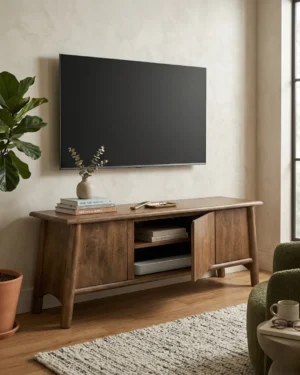
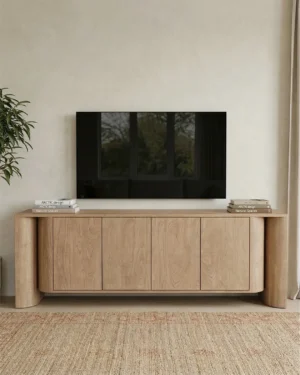
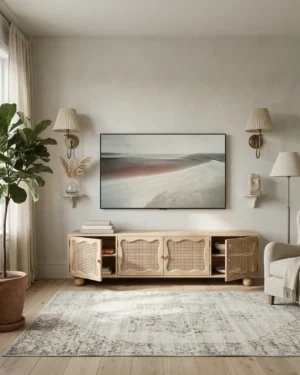
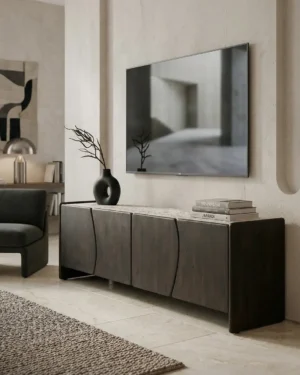
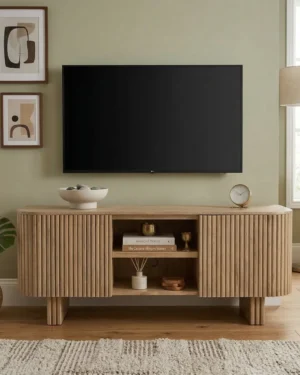
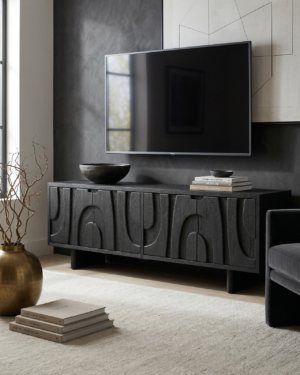
A well-designed TV unit organizes your media setup, provides the storage you need, and sits proportionately within the room without overwhelming the television wall. It's one of the few furniture pieces that has to work as hard visually as it does functionally.
ELVM's modern TV units are built around clean lines and honest materials. Rather than chasing trends, the collection focuses on proportion: a unit that's too tall competes with the TV, and one that's too narrow leaves the wall feeling unfinished. Each design in the collection balances width, height, and storage so it reads as a natural extension of the room rather than an afterthought.
The right TV unit should match your available wall width, television setup, storage requirements, and overall room proportions. Style comes second to fit; a beautiful unit that's too large or too small for the space will never look right.
| Your need | What to look for |
|---|---|
| Compact room | A visually lighter, compact TV unit that doesn't crowd the wall |
| More storage | Enclosed cabinets with usable shelving inside |
| Minimal interior | A low-profile design with restrained detailing |
| Statement living room | A sculptural form or material contrast that draws the eye |
| Multiple media devices | Open or semi-open storage for easy access to cables and remotes |
| Warm, material-led interior | A wooden TV unit with visible grain |
Measure your wall and check your TV's actual width, including its stand, before choosing. It sounds obvious, but it's the single most common mistake people make when buying online.
Modern TV units favor clean silhouettes and low profiles. Storage is usually built in rather than bolted on, and finishes stay restrained so the piece doesn't compete with everything else in the room. The goal is proportion and function working together, not decoration for its own sake.
Simple doesn't mean cheap. A simple TV unit relies on uncluttered shapes, fewer decorative details, and balanced proportions to do the work that ornamentation would otherwise do. Done well, this is often the harder design to get right, since there's nowhere for a mistake in proportion to hide.
A TV unit reads as luxury through what you can actually see and touch: sculptural construction, natural wood grain, cane detailing, stone or marble inlays, fluted or textured fronts, and visible craftsmanship in the joinery. These are the details worth looking for if you want a piece that feels considered rather than mass-produced.
Wooden TV units bring warmth to a room without sacrificing a modern look, as long as the form, finish, and proportions stay restrained. Wood pairs naturally with almost any living room palette, which is part of why it remains the most common material choice for this category of furniture.
Mango wood is prized for its natural grain and the color variation that comes from tree to tree, which gives each piece a handcrafted character no two units share exactly. It takes finishing well and develops a warmer tone over time with normal use.
Combining wood with woven cane or a stone surface changes both the texture and the visual weight of a piece. Cane softens a unit's silhouette and adds airiness; marble or stone tops add contrast and a cooler, more formal edge. ELVM's collection includes designs that pair mango wood with cane and marble for exactly this kind of contrast.
A TV storage unit helps organize media equipment, accessories, and everyday living-room items while keeping visible clutter to a minimum. The question isn't just how much storage you need, but what kind.
Closed cabinets suit anything you'd rather not see: cables, chargers, spare remotes, and stacks of paperwork. Open shelving suits what you actually want visible or need to reach quickly, like a router, a games console, or a stack of books. Most living rooms benefit from a mix of both. If your setup includes several devices that need line-of-sight for remotes (streaming boxes, soundbars), leave at least one section open rather than sealing everything behind doors.
| ELVM TV unit | Main material | Storage style | Design character | Best for |
|---|---|---|---|---|
| Amber | Solid Mango Wood | Closed storage with push-to-open doors | Clean, sculptural | Contemporary rooms |
| Ripple | Mango wood with cane | Four-door closed storage | Warm, textural | Natural-material interiors |
| Shale Media | Mango wood with marble | Four-door closed storage | Statement piece | Premium living rooms |
| Stirate | Mango wood | Closed and open combined | Fluted, functional | Storage-focused rooms |
| Terra Trace | Mango Wood | Four-door closed storage | Textural, low-profile | Contemporary spaces |
Choose a TV unit based on your available wall width, your television's actual dimensions, circulation space, and storage needs, not on appearance alone.
Start by measuring the wall you're working with, then check your TV's real width, including the base or stand it sits on. Leave some visual breathing room on either side rather than choosing a unit that spans the wall edge to edge, and factor in space for a soundbar or speakers if you're using them.
For a 65-inch television, compare the screen's actual width and how the stand sits on a surface against the usable width of the TV unit, rather than relying on the diagonal screen measurement alone. A unit that looks the right size in photos can still be too narrow once the base of a large TV is accounted for.
In a hall or main living area, the TV unit needs to relate to more than just the television. Think about how it sits against the sofa, the coffee table, side tables, flooring and rug, and the room's existing color and material palette. A piece that looks striking on its own can still feel out of place if it fights with everything around it.
Leave some surface area empty rather than filling every inch. Keep the television as the dominant visual element and use a small number of decorative objects around it, whether that's a stack of books, a single sculptural piece, or a small plant. Avoid blocking any ventilation the unit is designed with, and try to coordinate materials or tones with nearby coffee or side tables so the room reads as one composition rather than several unrelated pieces.
You can also coordinate the TV unit with nearby console tables when both pieces are used within the same living space.
Wipe the surface with a soft, dry, or slightly damp microfiber cloth, and deal with spills as soon as they happen rather than letting them sit. Avoid harsh chemical cleaners, which can strip natural finishes over time. If your unit includes marble or stone elements, use a cleaner suited to that material specifically, since standard wood cleaners can dull or damage stone surfaces. Keep wooden pieces out of prolonged direct sunlight where possible, as extended UV exposure can shift the tone of the wood unevenly.
ELVM Homes designs and develops its furniture in-house, with material choices and construction methods selected for how a piece will actually be used, not just how it photographs. Craftsmanship shows in details like joinery, grain-matching, and finish consistency across a piece. Rather than making broad claims about being the best or the most durable, the collection is built to be judged on what's visible and verifiable: the materials, the construction, and the finish in front of you.
What is the best TV unit design for a modern living room?
The best design depends on your room's proportions and how much storage you need, but a low-profile unit with clean lines and a mix of open and closed storage suits most modern living rooms. Match the unit's scale to your wall and TV size before choosing a style.
Which material is best for a TV unit?
Wood, particularly mango wood, is a popular choice for its warmth and natural grain variation. Combinations with cane or marble add texture or a more formal finish. The right material depends on the rest of your room's palette and how much maintenance you're prepared to do.
How do I choose the right size TV unit?
Measure your available wall width and your TV's actual width, including its stand, then leave some space on either side rather than filling the wall edge to edge. Factor in room for a soundbar or speakers if relevant.
Which TV unit is suitable for a 65-inch TV?
Compare the TV's real width and stand footprint to the usable surface width of the unit rather than relying on the diagonal screen size alone. A unit that looks proportionate in photos may still be too narrow for a large TV's base.
Are wooden TV units suitable for modern interiors?
Yes, as long as the form stays restrained. A wooden unit with clean lines and low-profile proportions works well in a contemporary room; it's ornate detailing, not the material itself, that tends to feel dated.
What is the difference between a TV unit, TV cabinet, and TV stand?
These terms are often used interchangeably. A TV stand typically refers to a simpler, lower piece that just supports the television, while a TV unit or cabinet usually includes additional storage, whether open shelving, closed cabinets, or both.
Should a TV unit have open shelves or closed storage?
Most living rooms benefit from a mix of both. Closed storage suits anything you'd rather not see, like cables or paperwork, while open shelving suits devices that need line-of-sight for a remote, such as a streaming box or soundbar.
How do I maintain a wooden TV unit?
Wipe it down with a soft, dry, or slightly damp cloth, clean up spills promptly, and avoid harsh chemical cleaners. Keep it out of prolonged direct sunlight, and use a stone-specific cleaner on any marble or stone elements.